- AB340 caps fees at 15%, requires DFI licensing, $10K fines.
- 30,000+ U.S. kiosks; BTC at $76,013, Fear & Greed at 26.
- Influences Iowa, Minnesota bills, SEC transmitter talks.
Governor Tony Evers signed Wisconsin's AB340 into law on April 25, 2024. Cryptocurrency kiosks Wisconsin now face operator licensing, 15% fee caps, and mandatory disclosures to shield consumers from scams. CoinDesk reporter Nikhilesh De covered the bill on April 18, 2024 (CoinDesk). Bitcoin trades at $76,013, up 0.8% (CoinGecko, October 10, 2024).
Ethereum trades at $2,356, up 0.3%. The Crypto Fear & Greed Index sits at 26, in fear territory (CoinGecko, Fear & Greed Index). Over 30,000 cryptocurrency kiosks operate across the U.S. (Coin ATM Radar, Coin ATM Radar).
Key Rules for Cryptocurrency Kiosks Wisconsin Regulation
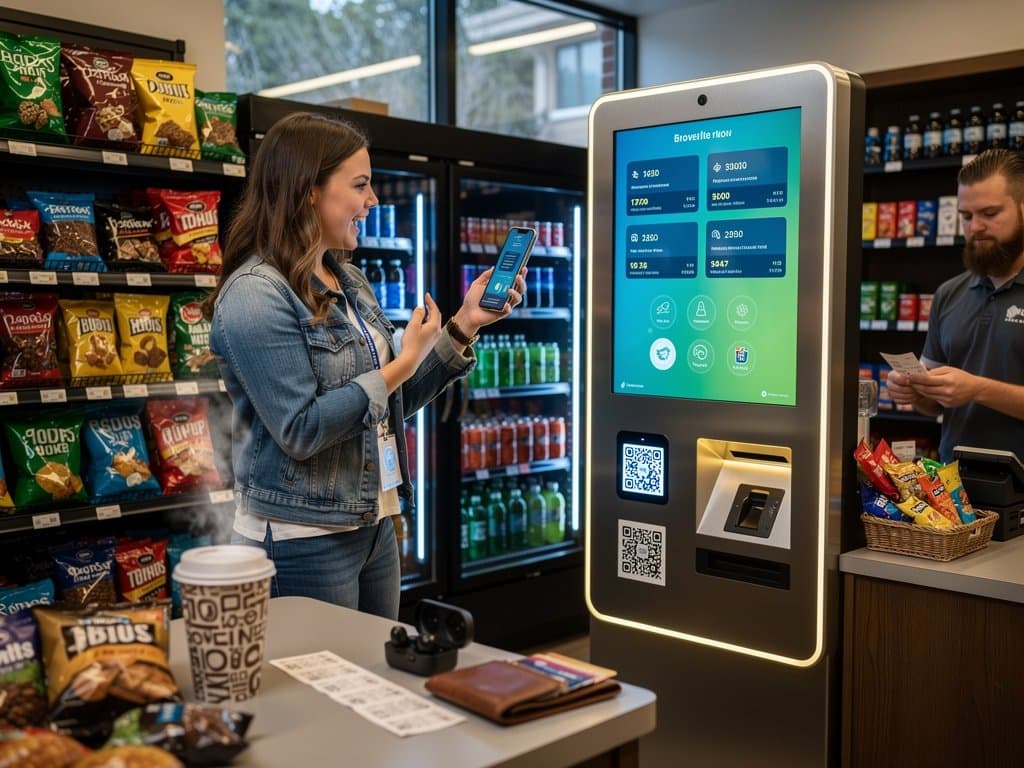
Operators register yearly with the Wisconsin Department of Financial Institutions (DFI). Kiosks display fees of 15% or less on screens before transactions. Violations draw fines up to $10,000 per incident. Machines list 24/7 customer support and preview exact cryptocurrency amounts.
The Assembly passed AB340, 65-30. The Senate concurred unanimously. Republican Rep. Alex Dallman sponsored it after constituent complaints about fees over 20% and scam losses. Victims testified at hearings about machines delivering less crypto than advertised.
Transactions above $1,000 require ID checks. Kiosks post volatility warnings and limits. These rules curb money laundering by limiting anonymity at retail kiosks.
Cryptocurrency Kiosks Mechanics and Wisconsin's Fee Crackdown
Kiosks in stores let users buy Bitcoin or Ethereum with cash. Customers scan wallet QR codes, insert bills, and get crypto. Fees average 12-20%, versus under 1% on exchanges (Coin ATM Radar).
Scams include fake machines, denied refunds, and malware QR codes. The FTC logged $1.4 billion in U.S. crypto scams in 2023, with kiosks involved (FTC Consumer Sentinel Network, 2024). Wisconsin saw local reports rise 40% year-over-year.
Bitcoin Depot, with 8,000+ machines, vows compliance. CEO Brandon Mintz said in a release: "We welcome transparent rules that build trust."
Cryptocurrency Kiosks Wisconsin Fits National Regulatory Push
Wisconsin matches New York's bonds and California's probes. Iowa and Minnesota prepare similar bills. U.S. kiosks handle millions yearly (Coin ATM Radar, October 2024).
Federal eyes turn to kiosks. SEC Commissioner Hester Peirce called them potential money transmitters in her April 11, 2024, speech (SEC). BlackRock Bitcoin ETFs hold over $20 billion since January 2024 approvals (BlackRock filings, Bloomberg).
XRP sits at $1.43, down 0.4%. BNB at $633, up 0.3%. USDT pegs at $1.00 (CoinGecko, October 10, 2024).
Bitcoin $76K Heightens Cryptocurrency Kiosks Wisconsin Risks
Soaring Bitcoin prices raise kiosk dangers. Retail pays premiums in fear (Index 26). Regulation bolsters on-ramps and adoption. Wisconsin kiosks saw 15% volume growth pre-law.
Consumer Federation of America praises AB340. Director Stephen Brobeck said: "Fee transparency ends the Wild West." DFI plans annual reviews using scam data.
Outlook for Cryptocurrency Kiosks Wisconsin Regulation
Wisconsin shapes federal efforts like FIT21. Kiosks may hit 50,000 by 2025, with $5 billion in transactions (Coin ATM Radar). Cryptocurrency kiosks Wisconsin law starts DFI enforcement in January 2025. Operators adapt fast for safer access.
Frequently Asked Questions
What does the cryptocurrency kiosks Wisconsin law require?
AB340 mandates DFI operator licenses, 15% fee caps, screen disclosures, ID verification for $1,000+ transactions, and $10,000 fines.
How do cryptocurrency kiosks in Wisconsin operate under AB340?
Users insert cash, scan wallet QR; screens preview exact fees, amounts, with 24/7 support and volatility warnings.
Why regulate cryptocurrency kiosks Wisconsin now with BTC at $76,013?
12-20% fees and scams cost billions; Fear & Greed at 26 heightens retail risks amid volatility.
What national impacts stem from Wisconsin cryptocurrency kiosks law?
Inspires Iowa/MN bills, informs SEC; promotes nationwide compliance for safer on-ramps.