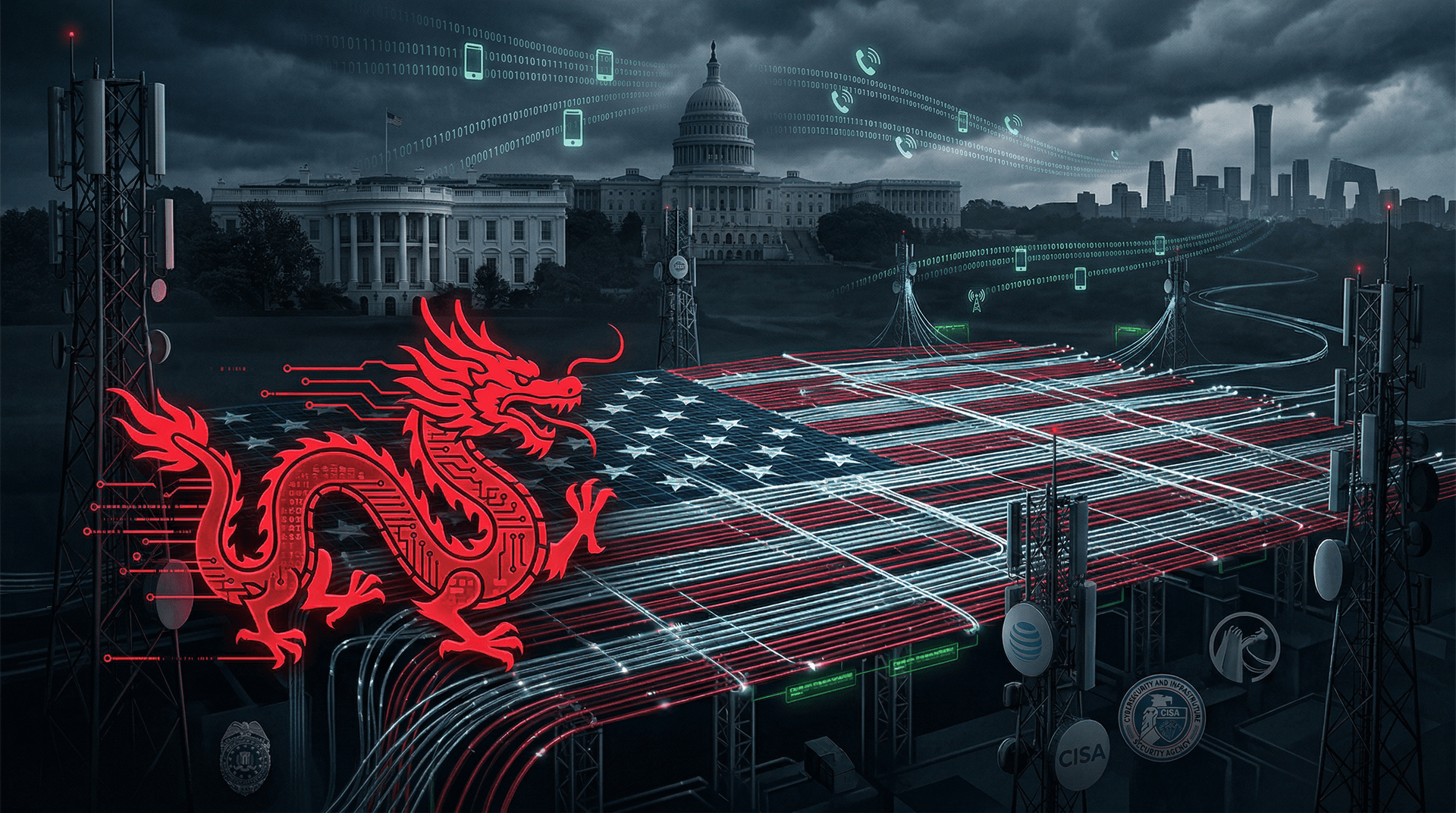
In a chilling escalation of cyber espionage, US authorities revealed on October 8, 2024, that Chinese state-sponsored hackers operating under the moniker 'Salt Typhoon' have penetrated the networks of at least nine major telecommunications providers. This sophisticated intrusion, which began as early as August, has exposed sensitive metadata from court-authorized wiretaps, potentially compromising communications of high-profile individuals including former President Donald Trump and Vice President Kamala Harris.
The Federal Bureau of Investigation (FBI) and Cybersecurity and Infrastructure Security Agency (CISA) issued urgent alerts detailing the campaign, attributing it to a People's Republic of China (PRC)-linked advanced persistent threat (APT) group. Dubbed Salt Typhoon—also known by other designations like GhostEmperor or Earth Preta—the actors exploited vulnerabilities in network management tools and legitimate remote access credentials to gain persistent footholds.
Scope of the Breach
Affected companies include industry giants AT&T, Verizon, Lumen Technologies (formerly CenturyLink), Consolidated Communications, and Spectrum. Reports indicate the hackers focused on systems used for lawful surveillance under the Foreign Intelligence Surveillance Act (FISA) and other court orders. Rather than intercepting call content, they siphoned metadata—such as call durations, locations, and endpoints—which can reveal intricate communication patterns.
Microsoft Threat Intelligence first flagged the activity on October 22, 2024, confirming Salt Typhoon's infiltration of broadband providers' core routing and billing systems. The group reportedly maintained access for weeks, exfiltrating data before detection. This mirrors tactics seen in previous PRC operations like Volt Typhoon, which targeted critical infrastructure.
"This is a brazen attempt by the PRC to undermine US national security," stated FBI Director Christopher Wray in a statement. The agency noted that while no evidence suggests content interception, the metadata haul could map political networks, informant locations, and intelligence operations.
Technical Breakdown
Salt Typhoon employed a multi-vector approach:
- Credential Theft: Phishing and malware harvested valid logins for tools like Cisco and Citrix remote access gateways.
- Zero-Day Exploits: Custom tools exploited unpatched flaws in network devices.
- Living-off-the-Land: Used legitimate admin tools (e.g., PowerShell, netsh) to blend in.
- Data Exfiltration: Compressed and tunneled metadata via compromised edge routers.
CISA's advisory (AA24-282A) provides indicators of compromise (IOCs), including IP addresses linked to PRC infrastructure and malware signatures. Telecoms have since rotated credentials, segmented networks, and deployed enhanced monitoring.
| Company | Confirmed Impact | Response Actions |
|---|---|---|
| AT&T | Metadata access | Network isolation |
| Verizon | Wiretap system breach | Credential reset |
| Lumen | Routing compromise | IOC hunting |
| Others | Ongoing assessment | FBI coordination |
Geopolitical Ramifications
The timing, just weeks before the November 5 US presidential election, amplifies concerns. Targets reportedly included Trump campaign aides and Democratic operatives, echoing 2020 SolarWinds and 2016 DNC hacks attributed to Russia. Cybersecurity firms like Mandiant and CrowdStrike have tracked Salt Typhoon since 2021, linking it to financial crimes and espionage.
This incident underscores PRC's aggressive cyber posture. Beijing routinely denies involvement, calling accusations 'groundless smears.' However, US officials cite forensic evidence, including Mandarin-labeled tools and command-and-control servers in China.
Broader implications extend to allies: Similar tactics hit Australian and Canadian telcos. The Five Eyes intelligence alliance is sharing IOCs to counter the threat.
Industry and Government Response
Telecom executives testified before Congress on October 15, pledging $2 billion in cybersecurity upgrades. Verizon CEO Hans Vestberg emphasized 'zero trust' architectures, while AT&T's John Stankey highlighted AI-driven anomaly detection.
CISA launched #StopSaltTyphoon, urging sectors to patch routers and audit access. The Biden administration imposed sanctions on related PRC entities, signaling escalation.
Experts warn this is 'the tip of the iceberg.' "Telecoms are the internet's backbone; breaching them grants unparalleled surveillance," said Raj Shah, former CISA deputy. Retail investors in telecom stocks saw dips—Verizon (VZ) fell 3% post-alert—but rebounded on resilient guidance.
Lessons for Cybersecurity
1. Patch Management: Prioritize edge devices often overlooked. 2. MFA Everywhere: Beyond passwords, enforce hardware keys. 3. Network Segmentation: Isolate surveillance systems. 4. Threat Hunting: Proactive IOC scans over reactive alerts. 5. Public-Private Synergy: Faster info-sharing via ISACs.
As investigations continue, Salt Typhoon reminds us: In cyberspace, nation-state actors operate with impunity, turning everyday infrastructure into battlegrounds. US telecoms, once complacent, now fortify against shadows from afar.
The election looms, but so does the cyber storm. Vigilance isn't optional—it's existential.
This article is based on official FBI/CISA alerts, Microsoft reports, and public statements as of October 31, 2024.