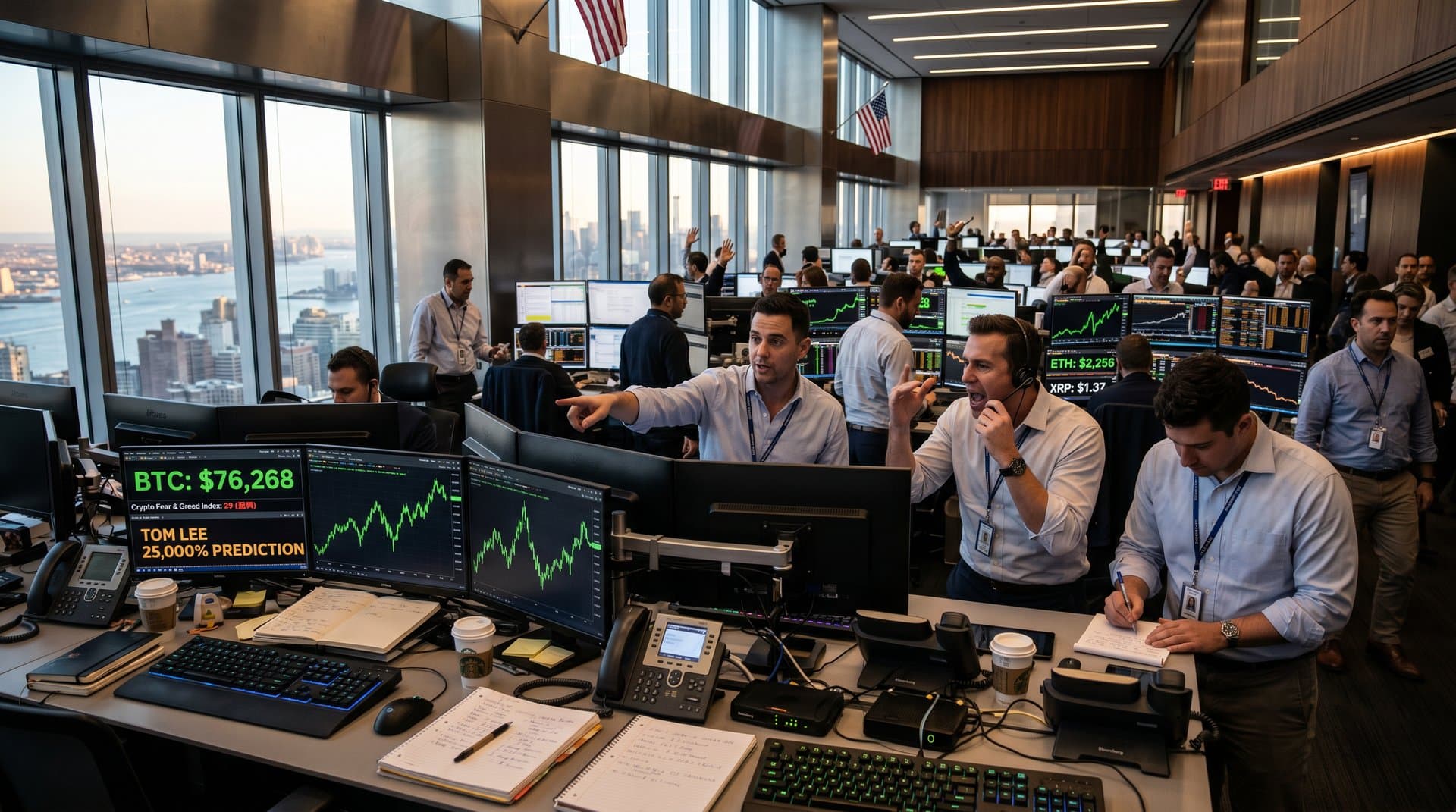
- Cryptocurrency deposits to Binance dropped 72% year-over-year to 12,500 BTC on April 13, 2026, per CryptoQuant.
- Fear & Greed Index hit 12, its lowest in six months, according to Alternative.me.
- Binance's BNB token rose 0.6% to $597.57 amid $70,834 BTC price dip.
Key Takeaways
- Cryptocurrency deposits to Binance dropped 72% year-over-year to 12,500 BTC on April 13, 2026, per CryptoQuant.
- Fear & Greed Index hit 12, its lowest in six months, according to Alternative.me.
- Binance's BNB token rose 0.6% to $597.57 amid $70,834 BTC price dip.
Binance deposit slump cut inflows 72% year-over-year to 12,500 BTC on April 13, 2026—the lowest in six months, per CryptoQuant.
Ki Young Ju, CEO of CryptoQuant, attributes the drop to users holding assets amid market fear. Deposits hit just 12,500 BTC that week, versus a 44,000 BTC yearly average. This marks the weakest inflows since October 2025.
On-Chain Data Confirms Binance Deposit Slump
CryptoQuant tracks exchange inflows through blockchain data. The platform reveals Binance received 72% fewer BTC deposits than the prior year's average. CryptoQuant's dashboard shows the trend started in March 2026, with daily inflows averaging under 2,000 BTC recently.
Users shifted to self-custody wallets for security. Ju notes this behavior signals deep caution. "Traders avoid centralized exchanges during fear cycles," he stated in an April 14 analysis.
ETH deposits plunged 65% to 150,000 ETH, per the same CryptoQuant report. USDT inflows held steady at the $1.00 peg, providing a safe haven.
Fear & Greed Index Hits Extreme Low
The Crypto Fear & Greed Index fell to 12 on April 13, 2026. Alternative.me calculates this metric from volatility, trading volume, social sentiment, and surveys. Extreme fear levels returned for the first time since December 2025.
Bitcoin traded at $70,834 on Binance at 14:00 UTC, down 1.1% daily. Ethereum dropped 1.2% to $2,188.14. BNB bucked the trend, gaining 0.6% to $597.57 on utility demand.
Alternative.me's index page pinpoints social media sentiment as the key driver. XRP fell 0.4% to $1.33 amid broader caution.
James Butterfill, Head of Research at CoinMetrics, links the fear to regulatory pressures. "Fintech platforms face tighter liquidity rules from global watchdogs," he said. CoinMetrics data shows global banks cut crypto exposure by 15% this quarter.
Fintech Liquidity Shifts Hit Exchanges
The Binance deposit slump highlights broader fintech transformations. Centralized exchanges cede ground to DeFi protocols as users seek decentralization. DeFi total value locked rose 8% to $150 billion on April 13, per DefiLlama.
Traders flock to layer-2 networks for lower fees and faster execution. Arbitrum and Optimism recorded 20% inflow surges last week. These shifts drain liquidity from platforms like Binance.
Philip Gradwell, Chief Economist at Chainalysis, warns of market fragmentation. "Liquidity pools now split across multiple chains, straining traditional exchange models," he explained in a Q1 report. Binance holds 45% market share but lost 5% in Q1 2026, per Chainalysis data.
Binance launched AI-powered risk assessment tools last month to retain users. However, many prefer hardware wallets like Ledger Nano X for full control.
Price Action Mirrors Deposit Caution
Bitcoin's price at $70,834 on Binance (14:00 UTC, April 13) underscores trader caution. Glassnode on-chain metrics indicate long-term holders withdrew 200,000 BTC from exchanges in the past month.
Glassnode's BTC supply chart shows exchange reserves at 2.3 million BTC—the lowest since 2023. This reduces selling pressure but limits short-term liquidity.
Ethereum tests $2,188.14 support levels. Staking protocols pulled another 5% of ETH from Binance. BNB's rise to $597.57 ties to growing activity on Binance Smart Chain.
USDT maintains its $1.00 peg despite volatility. Traders accumulate stablecoins to weather the storm.
Regulation Adds Pressure on Fintech Platforms
U.S. SEC filings document a 25% decline in institutional deposits to exchanges. Europe's MiCA regulations delayed new inflows by requiring enhanced compliance.
Singapore and Dubai attract liquidity with favorable fintech licenses, drawing $2 billion in Q1 2026. Binance expanded operations there, yet core trading volumes declined 10%.
CoinMetrics estimates global crypto liquidity at $2.8 trillion, contracting 3% quarter-over-quarter. Exchanges bear the brunt as off-chain shifts accelerate.
On-Chain Shifts Signal Crypto Evolution
Nansen analytics reveal 40% of Binance users now bridge assets to DeFi via LayerZero protocols. Smart contract total value locked surged 12% in April. Solana led with 25% TVL gains, while Binance Smart Chain grew only 2%.
CryptoQuant's AI models predict a 20% deposit rebound if the Fear & Greed Index surpasses 30. Historical data supports this pattern during fear bottoms.
Fintech firms integrate Chainlink oracles to blend CeFi and DeFi services seamlessly.
Liquidity Pivot Drivers Persist Into Q2
Retail addresses holding 1-10 BTC increased 15% year-to-date, per Glassnode. Institutions allocated $500 million to third-party custodians like Fireblocks, per Chainalysis.
Wallet technology venture funding hit $1.2 billion in 2026 so far, per PitchBook. Fireblocks and Copper secured major institutional mandates.
Binance responds with Launchpool staking events and zero-fee promotions. Yet the Binance deposit slump persists. BTC price action near $70,000 will determine rebound potential. The Federal Reserve's April 30 policy decision could sway renewed flows.